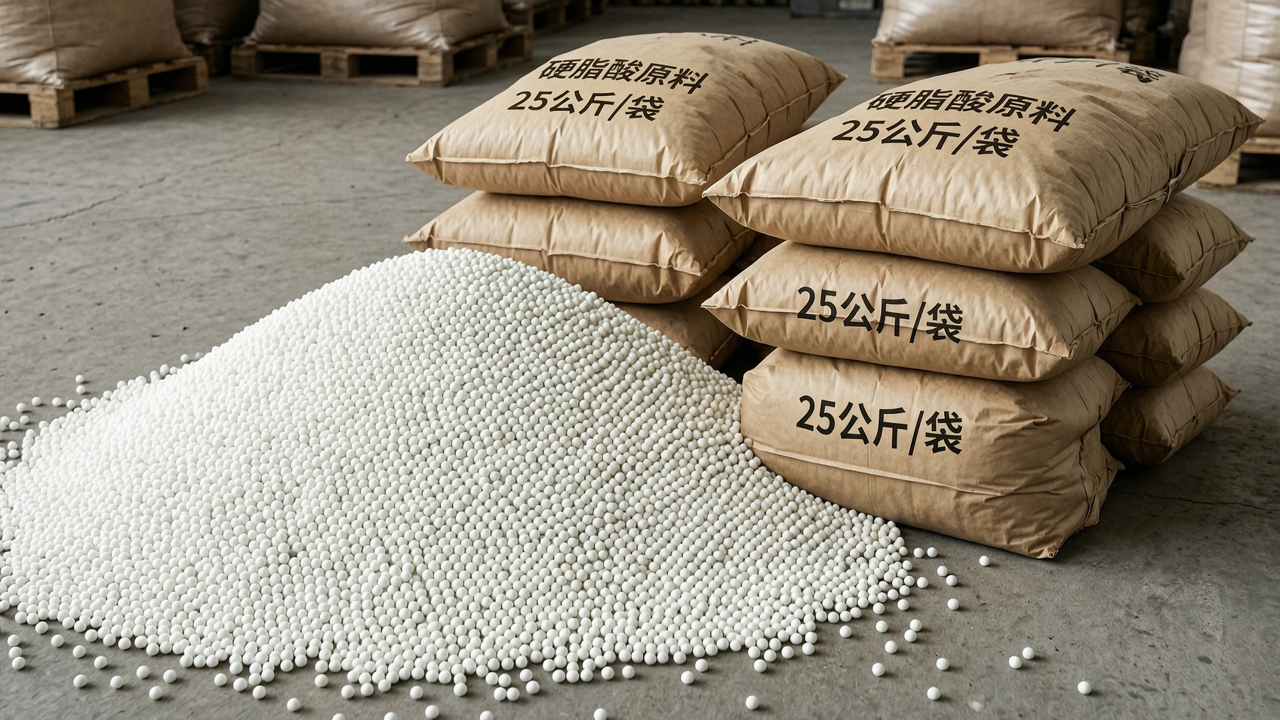
Did you know? Lauric acid, found widely in plant oils like coconut and palm kernel oil, has applications worth exploring in modern materials science beyond its cleaning and antimicrobial properties.
In the manufacturing of functional textiles, lauric acid offers unique value through chemical conversion. For instance, synthesizing lauryl hexanoate typically involves an esterification reaction between lauric acid and n-hexanol under specific catalytic conditions. As a high-performance functional additive, lauryl hexanoate is commonly used in the production of disposable nonwoven dust-proof suits.
During nonwoven processing, friction between fibers often leads to static buildup and a rough hand feel. Caprylyl caprate significantly reduces the surface friction coefficient of fibers, making the material softer and smoother. It also effectively regulates surface charge distribution, delivering excellent antistatic performance. This dual action not only improves processability on high-speed production lines by reducing issues like thread breaks and roller wrapping but also directly enhances wearer comfort and protective performance in the final product.
Against the backdrop of quality upgrades in disposable protection and nonwovens, functional additives with lauric acid as a key component are emerging as a growth driver in new materials. Their application not only helps downstream manufacturers reduce costs and improve efficiency but also provides critical technical support for developing high-value-added, high-standard end products.
Guizhou Liutong