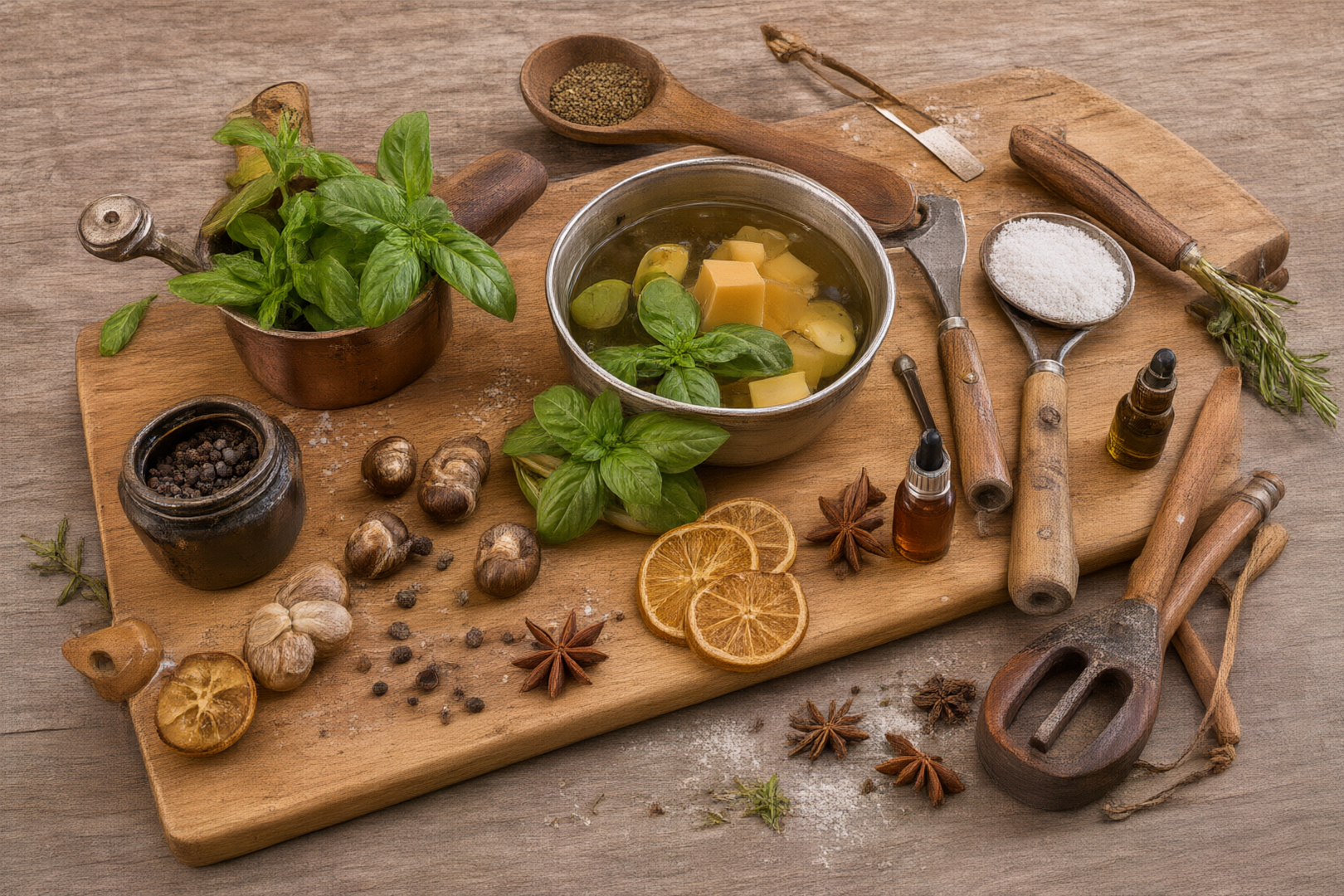
In the production of solid fragrances such as wax reed diffusers, solid balms, and compressed air fresheners, fragrance oils, wax bases, and gel resins serve core functions in scent release and product formation. Although stearic acid is not a primary ingredient, it is a vital auxiliary agent that optimizes manufacturing processes, ensures product stability, and enhances texture. It is widely compatible with the production of various solid fragrance items.
From the perspectives of procurement and formulation, stearic acid serves three key roles in solid air freshener systems: process aid, formulation modifier, and reaction raw material. It supports critical production steps including demolding, matrix improvement, emulsion stabilization, and tablet compression. Proper selection of stearic acid helps minimize issues such as sticking to molds, oil bleeding, layer separation, and fragmentation, thereby enhancing product consistency and manufacturing efficiency.
1. As a release lubricant additive, reduces sticking and defect rates
Mold sticking is a common issue in producing solid air fresheners via tablet pressing or injection molding. Minor adhesion can cause edge chipping and surface roughness, while severe cases may lead to product rejection and disrupt production schedules.
Stearic acid offers excellent lubricity and can replace or complement zinc stearate and magnesium stearate in certain processes. In production, apply a thin coating to the mold surface or blend into the powder system at low ratios (up to 1%). This reduces adhesion between fragrance blanks and molds for smoother demolding, improves product surface gloss, and lowers defect rates. When used as a processing aid, stearic acid typically does not alter the core fragrance performance of the product.
II. As a matrix hardening modifier, enhancing morphological stability and fragrance longevity
Aromatherapy wax tarts and solid balms typically use paraffin, microcrystalline, or soy wax as a base. However, pure wax bases often suffer from issues such as soft texture, oil leakage at high temperatures, and rapid fragrance evaporation, which negatively impact product storage and user experience.
Add 5%-15% stearic acid to the formula, combined with beeswax, polyethylene wax, and glyceryl stearate, to improve wax-based performance. Stearic acid enhances matrix hardness and melting point, reducing risks of softening, oil bleeding, and deformation in high-temperature summer conditions, thereby improving product shelf stability. It also helps regulate fragrance release rate for more even aroma dispersion, mitigating issues of excessive initial scent intensity and insufficient longevity later on.
3. Enhances stability of the gel balm system as an emulsification reaction raw material
Emulsified solid deodorant balms and gel air fresheners require high stability in water-oil systems. Stearic acid serves as a precursor, undergoing neutralization with alkalis such as sodium hydroxide or triethanolamine to produce substances like sodium stearate and triethanolamine stearate.
These soap-like substances serve as emulsifying stabilizers in the system, helping to form a uniform solid gel structure with fragrance, oil base, and aqueous phase. This reduces quality issues such as phase separation, water exudation, and oil-water separation. Note that stearic acid typically reacts in this formulation and remains in the final product as stearate salts. Therefore, evaluate its role during formula design and raw material selection based on specific processing conditions.
4. As a tablet binding aid to enhance tablet compaction strength
Powder-pressed solid air fresheners often suffer from loose powder, fragile tablets, and poor formability. Stearic acid powder offers excellent plasticity and lubricity during high-pressure pressing, promoting tighter bonding between particles to enhance tablet density and mechanical strength while reducing breakage and powder loss.
Additionally, stearic acid reduces friction between the powder and stamping molds, resulting in more uniform tablet formation. This enhances efficiency stability and quality control during large-scale production.
Procurement and Selection Recommendations
For solid air freshener manufacturers, stearic acid is a low-volume but critical auxiliary raw material with significant process impact. Key selection criteria include:
Purity and ColorHigh-purity, low-impurity products help minimize odor interference and color variation in finished goods.
Melting rangeDifferent melting point stearic acids affect wax hardness, molding temperature, and demolding performance differently; selection should be based on the matrix system.
Add RatioTypically used at low ratios in processes such as demolding and tablet pressing; during matrix modification, formulate within the 5%-15% range for validation.
Batch StabilityBatch-to-batch variations may affect hardness, release properties, and final appearance. We recommend selecting products from suppliers with consistent quality.
Compliance & Compatibility: When used for products such as diffusers and home fragrances, ensure that raw materials comply with applicable product standards and customer compliance requirements.
Overall, while stearic acid is not a core fragrance ingredient in solid air fresheners, it plays a practical role in mold release, hardening, emulsification, and tablet compression. Using high-purity, batch-stable stearic acid that matches the formulation helps optimize production processes, reduce defect rates, and enhance product quality and market competitiveness.