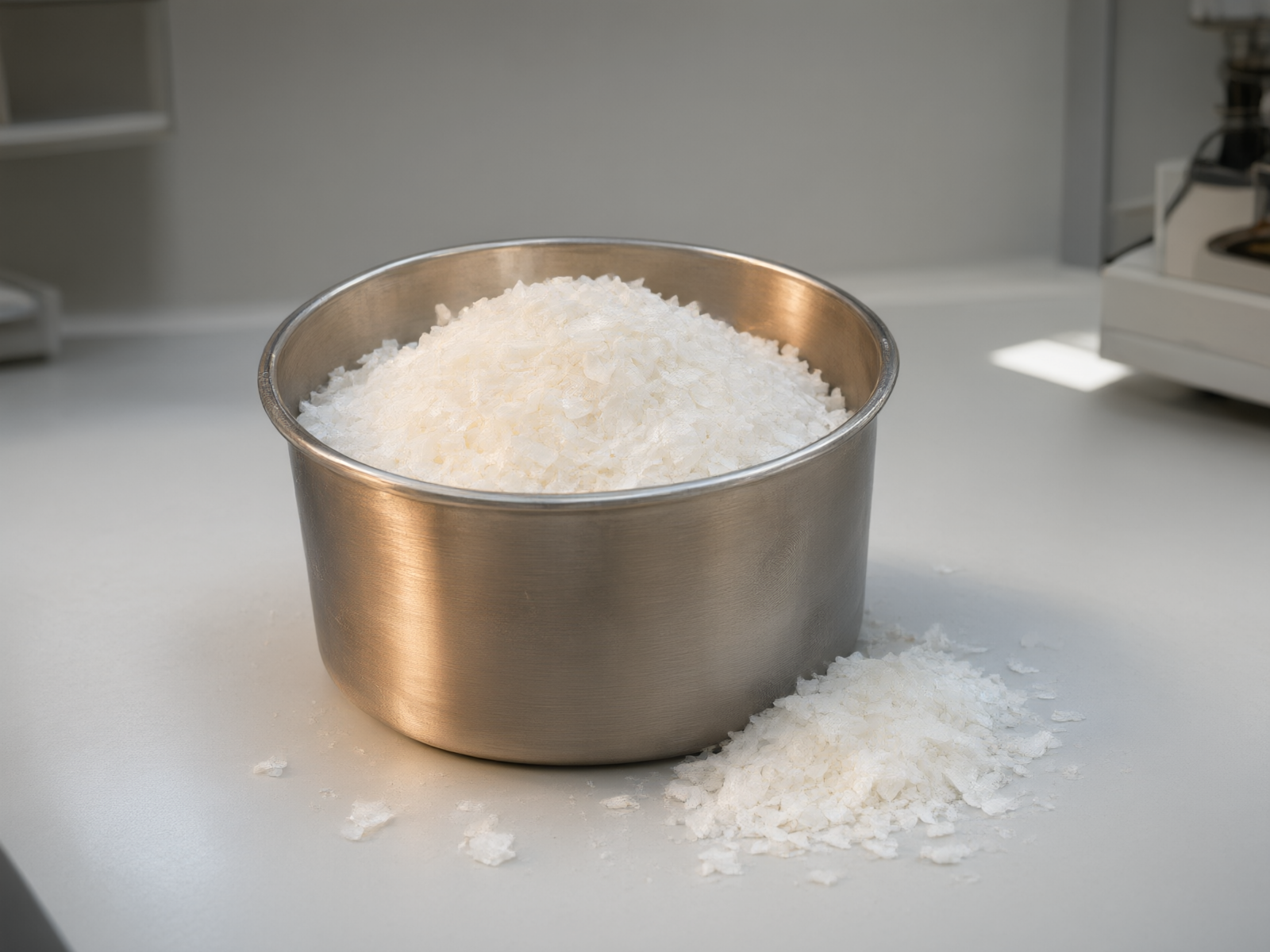
In plastic processing, lauric acid is increasingly used as a lubricant and mold release agent. Buyers often face a key question when selecting products: which has a greater impact on mold release performance—C12 content or melting point? We break down the mechanisms of these two parameters based on real-world applications.
C12 Content: The Foundation of Lubrication Purity
The C12 content of lauric acid directly reflects the product's purity level. Industrial-grade lauric acid typically has a C12 content above 85%, while high-purity products can exceed 95%. Higher C12 content indicates a more concentrated carbon chain length distribution and better molecular structure consistency.
In plastic demolding applications, this consistency directly affects the uniformity of the lubricant film. When C12 content is low, the product contains fatty acids with other carbon chain lengths such as C10 and C14. These impurities melt differently than C12 at processing temperatures, creating weak spots in the lubricant film and causing fluctuations in demolding force. For precision injection-molded parts, these fluctuations can lead to surface defects or poor demolding.
Freezing Point: The Key to the Processing Window
The melting point determines the phase transition temperature of lauric acid during processing. Industrial-grade lauric acid typically melts between 42°C and 46°C, a parameter that directly affects two key stages: the melt-mixing temperature during addition and the demolding timing during product cooling.
Stearic acid with a higher melting point solidifies faster in the mold, forming an effective release layer sooner. However, an excessively high melting point requires elevated processing temperatures for uniform dispersion, increasing energy consumption and the risk of thermal degradation. Conversely, a melting point that is too low may prevent timely solidification at higher mold temperatures, causing the lubricant to migrate to the product surface and affecting subsequent printing or coating processes.
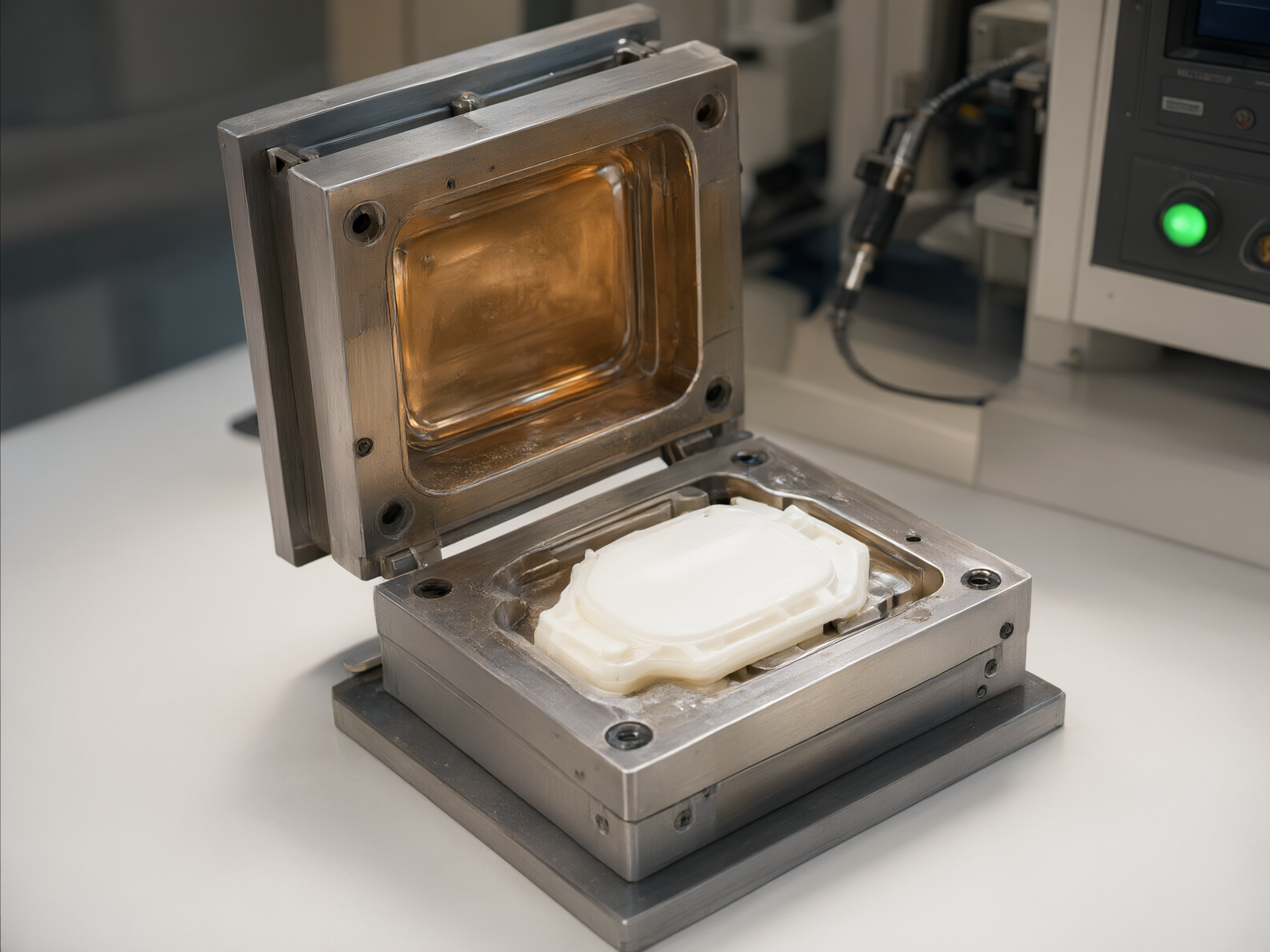
Synergistic relationship between the two metrics
C12 content and the freezing point are not independent variables. Higher C12 content generally leads to a higher freezing point because pure lauric acid melts at approximately 44°C, while fatty acids with shorter or longer carbon chains have lower melting points. Selection requires balancing based on specific process conditions: precision injection molding prioritizes C12 content to ensure uniform lubrication, whereas processes sensitive to processing temperature must consider the match between freezing point and mold temperature.
When advising enterprises on selection, we typically recommend first clarifying process temperature and demolding precision requirements, then matching them to the appropriate C12 content and solidification point range. For technical support, please contact our technical consultant.